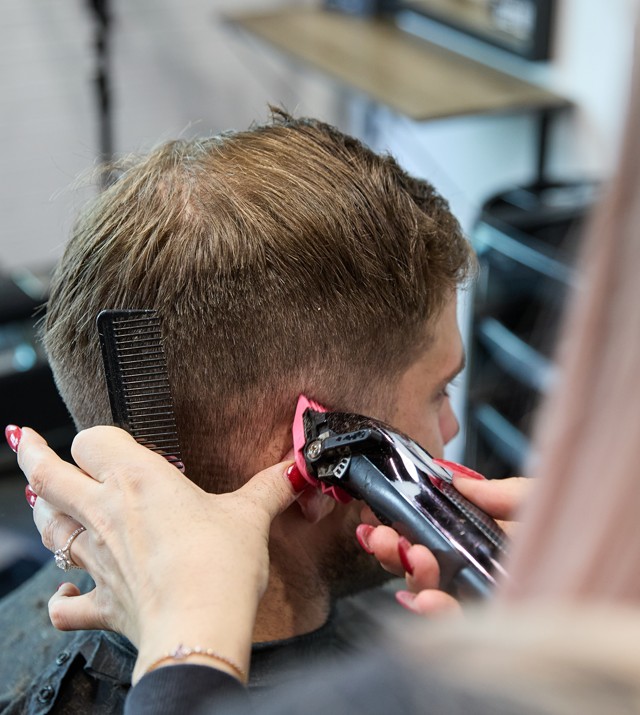
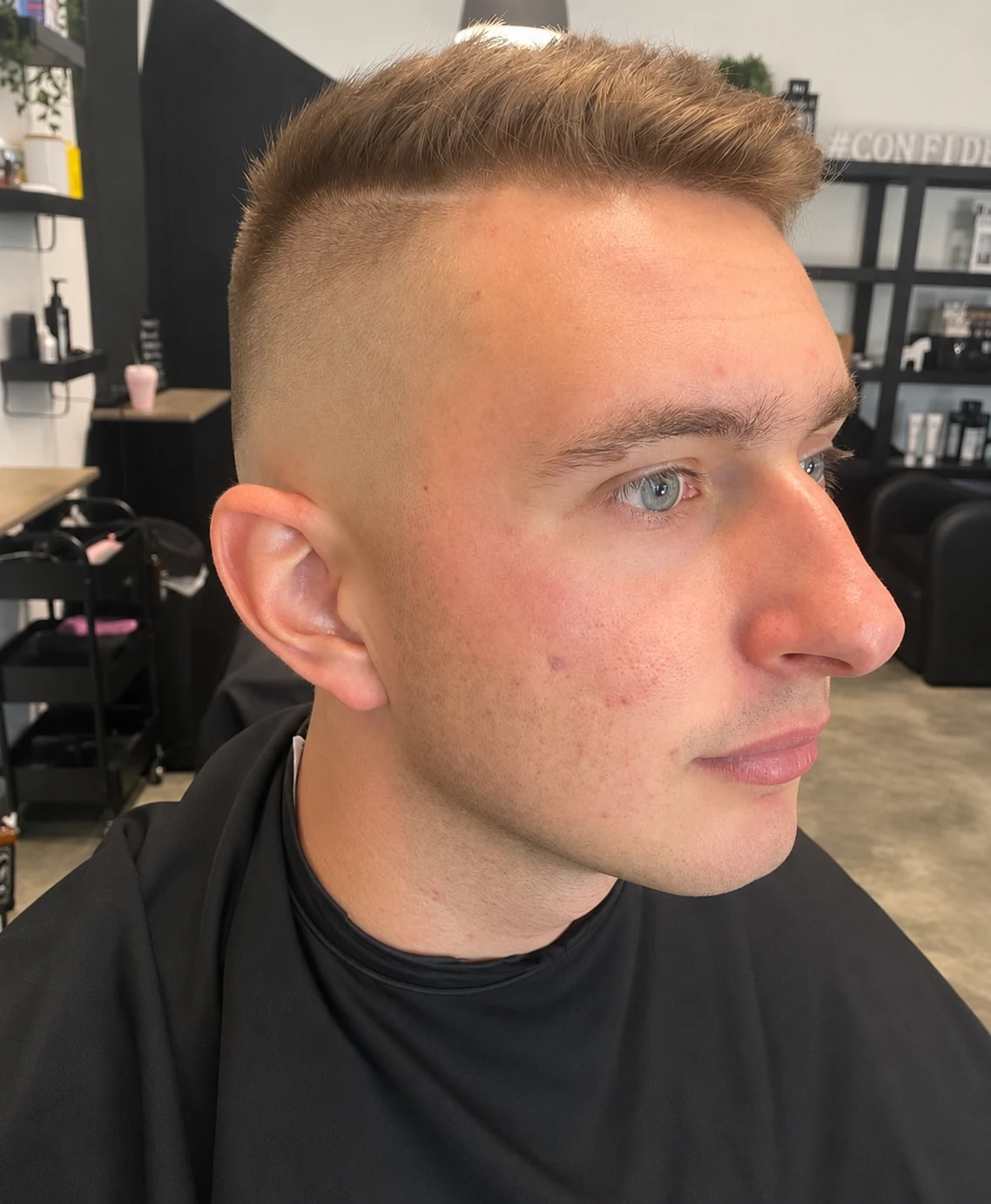
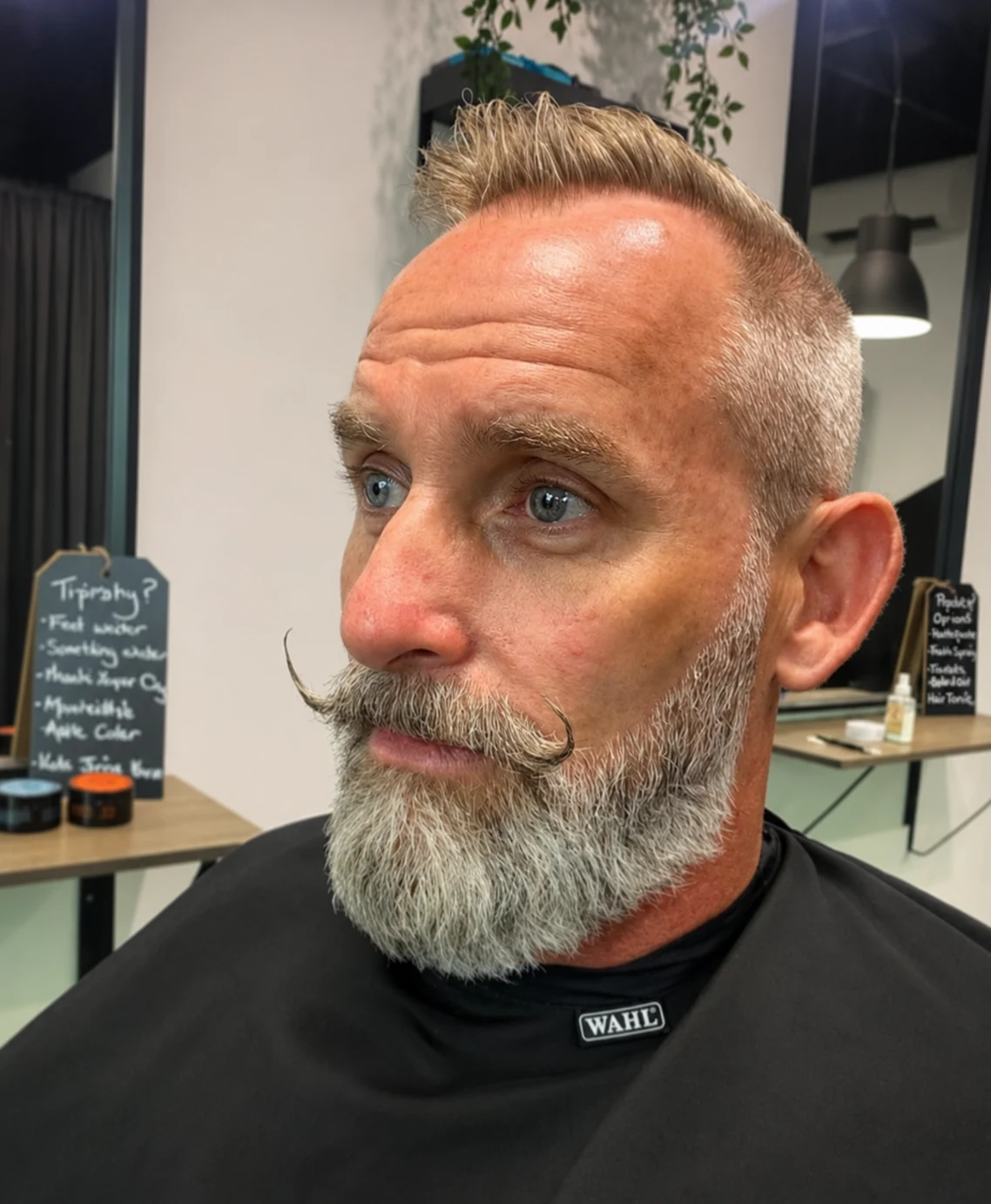
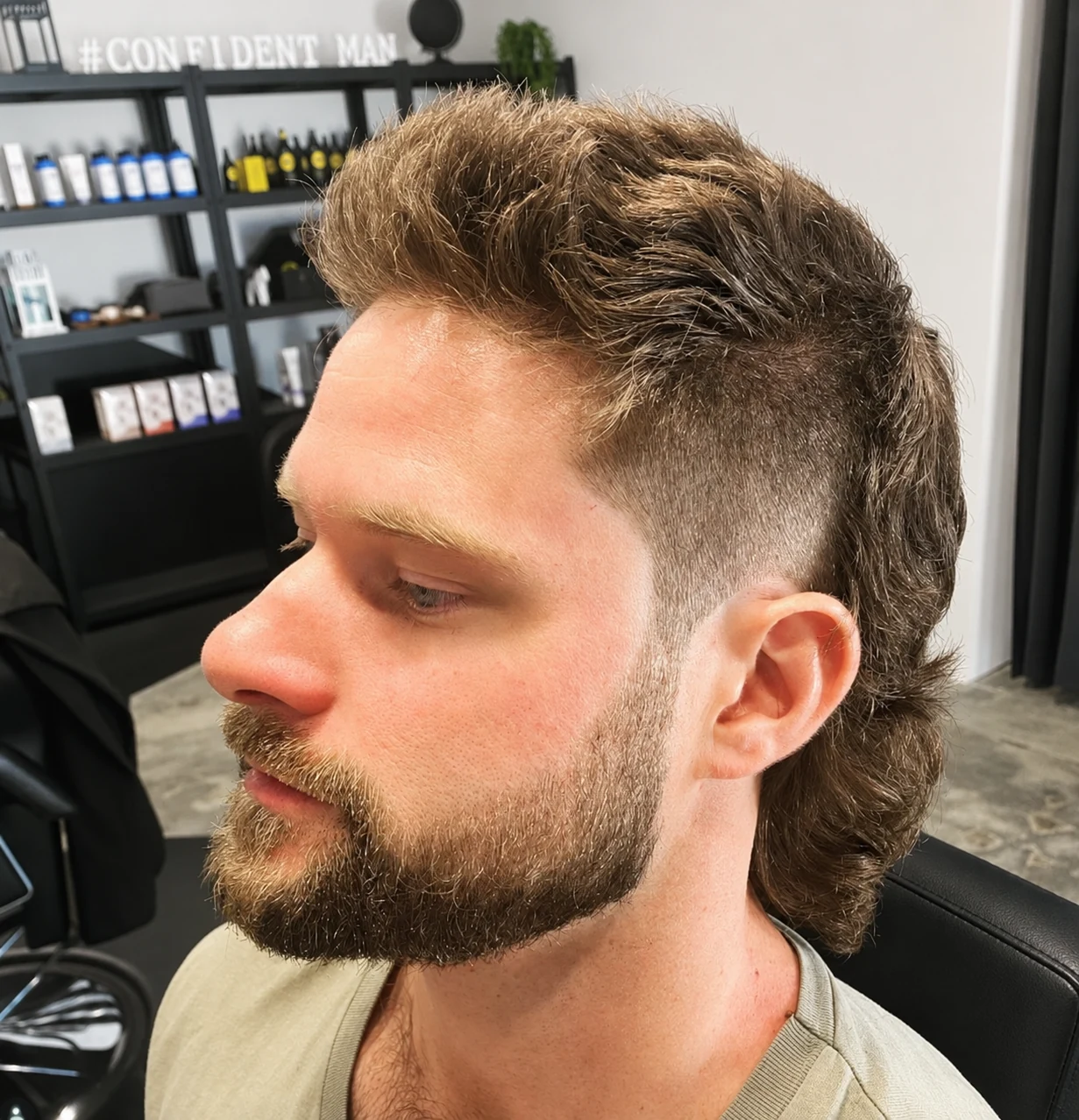
The front can show the fringe or part, but the side and back explain the blend and silhouette. When saving an example, notice the hair above the ears, the neckline, the crown and the connection into the beard. Two haircuts with a similar front can have very different sides.
Describe what catches your eye
You do not need the exact name of a haircut to begin. It may be the softness of a scissor finish, a close fade, a natural fringe or the outline of a beard. Point out those details and mention anything you dislike. Ask your barber how the reference would translate to your own texture and current length.
Make your own reference useful
A photo taken soon after your appointment can help at the next visit. Use even light and capture more than one angle. Keep notes on the product and styling steps that worked. The aim is a clear conversation about your preferences, rather than a promise to reproduce another person’s hair exactly.
A few answers
Before your visit.
Can any reference haircut be reproduced exactly?+
Hair texture, density, growth direction and current length affect the result. Discuss the elements you want rather than expecting an identical copy.
How should I share a reference?+
Bring it to the appointment and use the barber brief tool to record the details you want to discuss.