
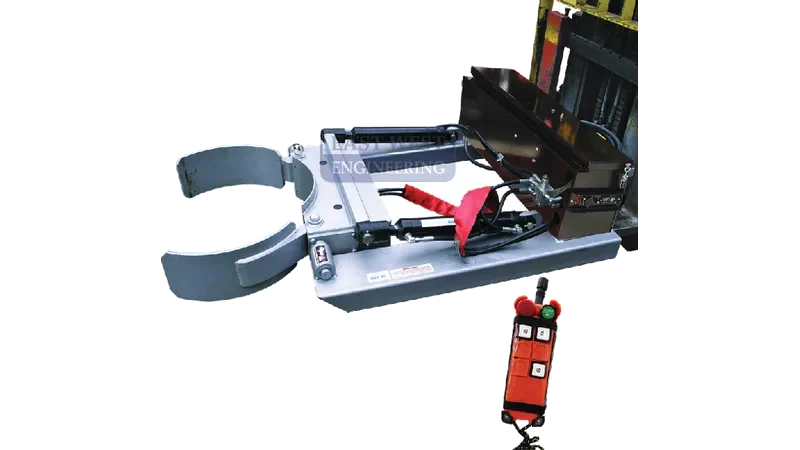
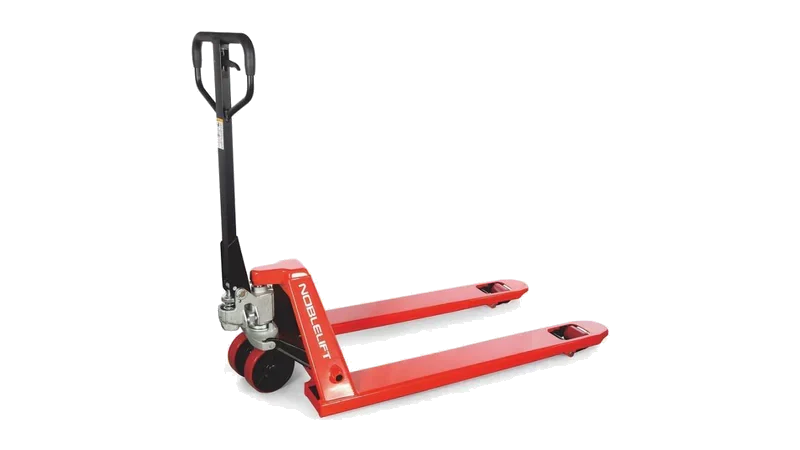
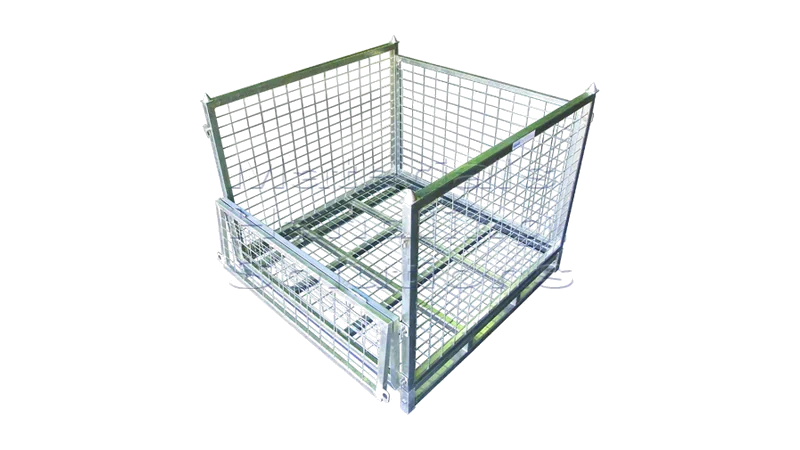
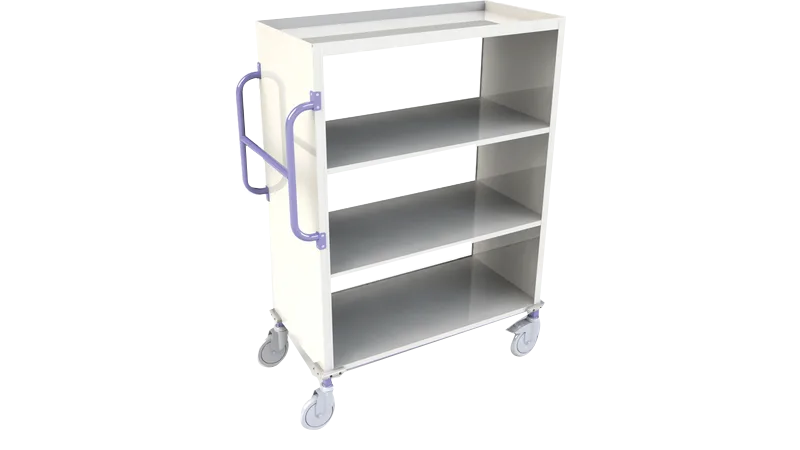
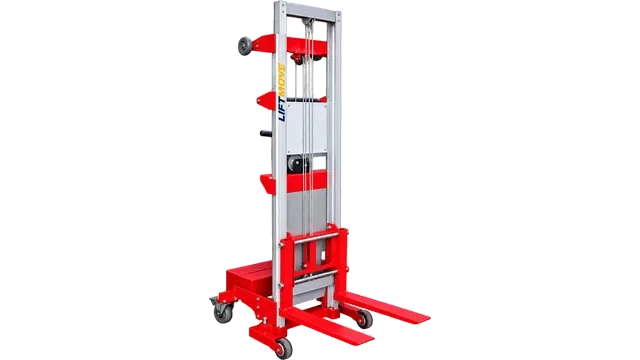
Platform lifters, stackers and lift trolleys raise materials to benches, shelving and installation points.
Platform lifters help businesses raise, position and move materials with less manual handling. They make repetitive lifting tasks easier and help workers position loads at a practical height for loading, unloading, maintenance, or production work.
Read the category guideSubcategories
More subcategories (4)
Platform Lifter products
Showing 8 of 18 products
Platform Lifter guide
Platform Lifters for Safer Material Handling in Perth & WA
Platform lifters help businesses raise, position and move materials with less manual handling. They make repetitive lifting tasks easier and help workers position loads at a practical height for loading, unloading, maintenance, or production work.
MHS Materials Handling Solutions supplies platform lifters, lift trolleys, manual stackers, electric lifters and specialised lifting equipment to businesses throughout Perth and Western Australia.
Our range includes solutions for warehouses, workshops, factories, maintenance teams, construction sites, HVAC installers and other workplaces that regularly handle heavy or awkward items.
What Is a Platform Lifter?
A platform lifter is a mobile or stationary material-handling device used to raise a load to a required working height. Depending on the model, the load may be supported by a flat platform, forks, lifting arms or a purpose-designed attachment.
Platform lifters can be operated manually, hydraulically, electrically or with a winch. The right design depends on the load’s weight and dimensions, the required lifting height, and how often the equipment will be used.
These lifters are designed for materials—not for lifting people unless a particular product is specifically engineered and certified for personnel lifting.
Explore Our Platform Lifter Range
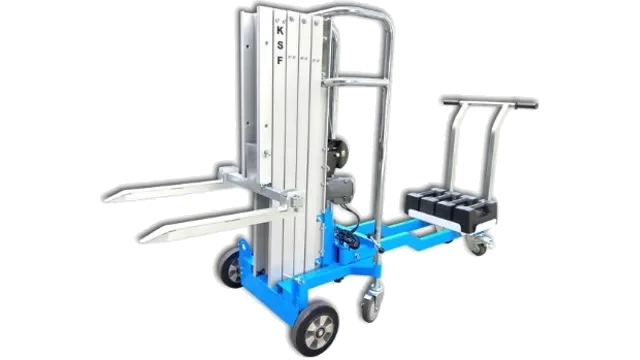
Portable Platform Lifters
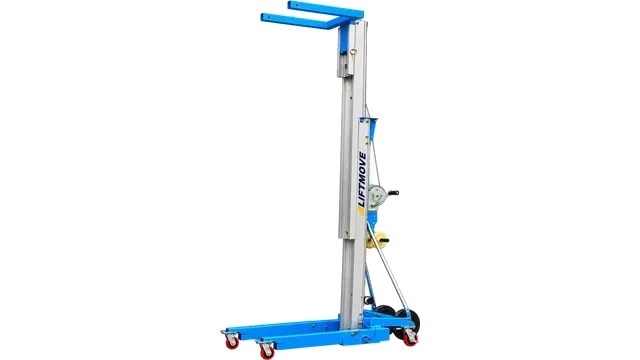
Portable platform lifters provide a versatile option for raising boxes, components, equipment and other workplace loads. Their mobile design lets you move the lifter between work areas as needed.
They can be useful beside benches, shelving, production equipment, vehicles and packing stations.
Lift Trolleys
Lift trolleys combine load transportation with adjustable-height positioning. They can move an item and then raise it to a more convenient height for loading or processing.
Options include manual and electric lift trolleys, depending on the load and how often you use them.
Manual and Hydraulic Stackers
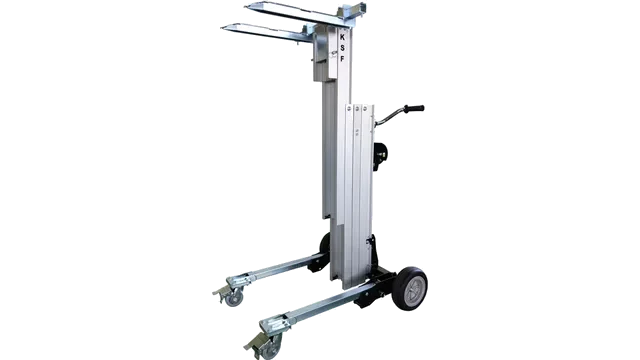
Manual, winch and hydraulic stackers provide a cost-effective solution for occasional lifting and stacking tasks. Depending on the model and attachment, they may suit pallets, containers, machinery components, and general materials.
Manual stackers are often appropriate where lifting is performed less frequently or access to electrical charging is limited.
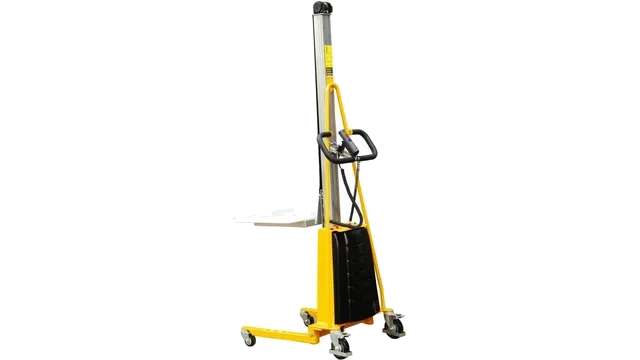
Electric Lifters and Stackers
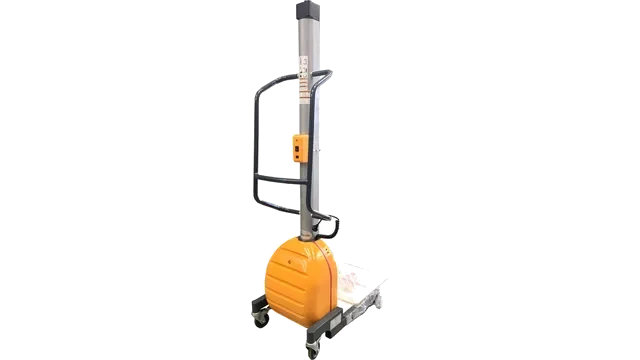
Electric lifters reduce the physical effort required to raise and lower loads. They suit workplaces with regular lifting cycles or where materials need to be positioned accurately throughout the day.
When selecting an electric model, consider its capacity, lift height, platform or fork dimensions, battery arrangement and available manoeuvring space.
Duct Lifters
A duct lifter is a specialised portable material lifter designed to raise ducting and other overhead installation materials. It helps HVAC, mechanical, and construction teams position bulky items at height.
View our Duct Lifters for available lift heights and load capacities.
Air Conditioner Lifters
Air conditioner lifters help installers raise air-conditioning units and associated equipment into position. They are particularly useful for awkward loads that are difficult to lift safely by hand.
Explore our Air Con Lifters for purpose-built HVAC lifting options.
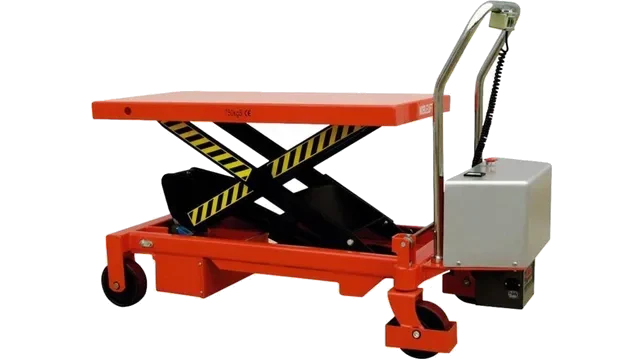
Scissor Lift Tables and Trolleys
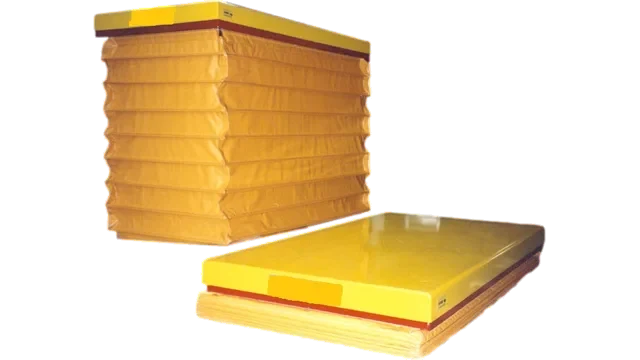
Scissor lift tables raise a platform vertically while maintaining a stable working surface. Mobile versions can also transport loads between different areas of a workplace.
They are commonly used for packing, assembly, maintenance, loading and production tasks. Explore our Scissor Lift Tables for additional options.
Common Applications
Platform lifters can be used for a wide range of material-handling tasks, including:
- Raising components to a workbench or production line
- Loading and unloading machinery
- Moving equipment between work areas
- Positioning materials on shelving
- Handling boxes, containers and packaged goods
- Lifting ductwork and air-conditioning equipment
- Reducing repetitive lifting from floor level
- Positioning loads for inspection, maintenance or assembly
The right lifter depends on the load and working environment.
Choosing the Right Platform Lifter
Before choosing a platform lifter, consider the following requirements.
Load Capacity
Confirm the maximum weight that needs to be lifted, including any container, pallet or attachment. Select equipment with a rated capacity suitable for the entire load.
Maximum Lift Height
Measure the highest position the load needs to reach. Allow for the starting height of the platform or forks and the load’s height.
Load Dimensions
Consider the load’s width, length, shape and centre of gravity. A suitable platform, fork or attachment must support the load securely during movement and lifting.
Manual or Electric Operation
Manual lifters can be practical for occasional tasks and lighter duty cycles. Electric lifting may be more suitable for frequent use, heavier loads or applications where reducing operator effort is a priority.
Workplace Access
Check doorway widths, aisle space, floor conditions and turning areas. The lifter must reach the work area and manoeuvre safely while carrying its intended load.
Operating Environment
Consider whether the lifter will be used indoors or outdoors and whether the workplace has wet, corrosive, hygienic or hazardous conditions. Some environments may require specialised materials or configurations.
Improve Workplace Material Handling
Choosing suitable lifting equipment can reduce unnecessary manual handling and make it easier to position materials at an appropriate working height.
However, equipment selection is only one part of workplace safety. Operators should follow the manufacturer’s instructions, observe the rated capacity, secure unstable loads and complete the required workplace training and risk assessments.
Platform Lifter Solutions from MHS
MHS Materials Handling Solutions can help you compare platform lifters based on your load, lifting height, workplace layout and expected frequency of use.
Our range includes compact lifters, lift trolleys, manual and electric stackers, scissor lift equipment and specialised lifters for ductwork and air-conditioning installations.
For help selecting a platform lifter, call MHS on (08) 9258 4011 or contact our team for product information and a quotation.
Platform Lifter FAQs
What is the difference between a platform lifter and a stacker?
A platform lifter usually supports the load on a flat platform, while a stacker commonly uses forks or another attachment. Some lifters can accept different platforms or attachments, so the distinction depends on the individual model.
How much weight can a platform lifter carry?
Capacity varies considerably between models. Always check the rated load capacity and confirm it suits the full weight and dimensions of your load.
Can a platform lifter handle pallets?
Some stackers and fork-equipped lifters can handle compatible pallets. Platform-only models may not be suitable unless they have the correct fork arrangement or attachment.
Should I choose a manual or electric lifter?
Manual models suit occasional use, while electric lifting may be better for frequent lifting cycles or heavier loads. The best choice depends on the application, workload and operating environment.
What is a scissor lift trolley used for?
A scissor lift trolley transports materials on a platform and raises them to a suitable working height. It can assist with loading, packing, assembly and maintenance tasks.
Can platform lifters be used to lift people?
Do not use a material platform lifter to lift people unless the equipment has been specifically designed, rated and certified for personnel lifting.
Does MHS supply platform lifters outside Perth?
MHS supplies material-handling equipment to customers throughout Western Australia and can discuss delivery requirements for other Australian locations.
Check the working envelope
Compare platform or fork dimensions, maximum height and the load centre. Base clearance and manoeuvring room matter when positioning a lifter beside machines or under benches.